
4 Unexpected Lessons from an Energy Systems Conference
Insights about Engineering Culture

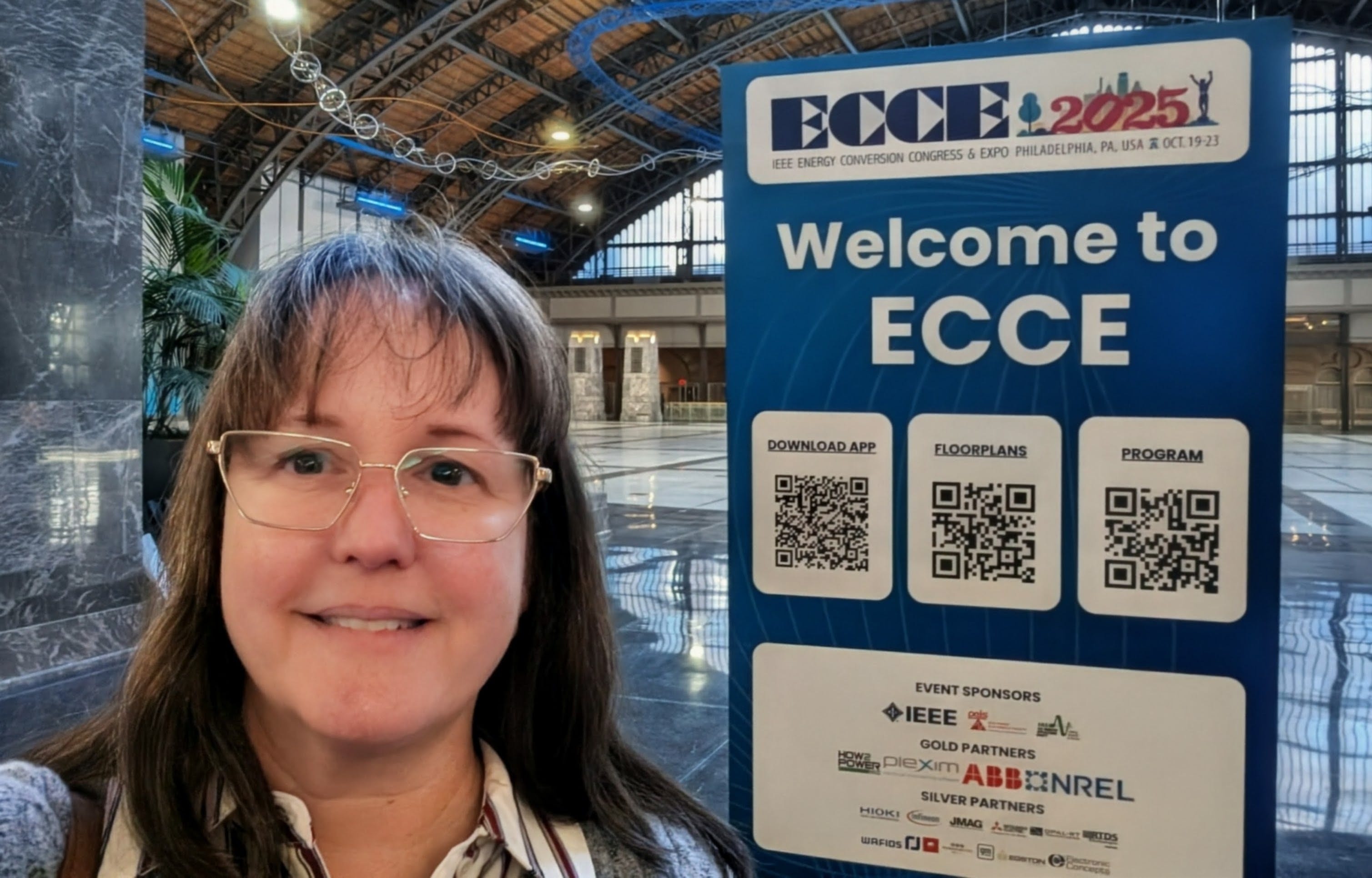
Power systems are not my normal scene, but I was glad I took the train into the city to stop by the IEEE Energy Conversion Congress & Expo earlier in the week. My takeaways:
Engineers take a more measured approach to AI implementation.
This isn’t surprising, knowing how us engineers think. They are getting pressured to adopt AI into designs, but what does that really mean? It’s not clear.
Engineers are needing to push back on adopting too quickly. On the other hand, we need to be careful not to write off AI as just the latest, shiny new object.
It’s here and viable - we need either learn AI or keep up with it so we’re ready to know when it’s time to integrate it into products or to help the way we work. It’s accessible: roll-up your sleeves and start digging in.
Start with LM Studio. It’s free. Download and play with it - install it and it works, configuring everything for you. Plus, it has a good search module to compare the AI with your hardware.
Sales and marketing folks pass the mic to their technical counterparts way too quickly.
I wasn’t even asking technical questions! A few things could be going on.
Sales/Marketing think engineers only want to talk with engineers. We don’t though, right? They have a viewpoint of customers and use cases that we want insight to, to design better products. So, we want to invite them in conversation and be curious learners when we do.
Engineers have a rap for being difficult, so they don’t want to bother with us. Maybe it’s because we’ve taken the first 5 steps in our thought process on our own and jump into conversation on step 6. Let’s slow down a little and start from the beginning. We don’t need to dumb it down and we don’t need to try to stump the chump. We’re talking with another person! We may end up taking a different path that steers us away from our step 6, and it could be a better approach.
They’re not confident they know the product. That could be on them. It could also be on the engineers they work with. Is it our responsibility to share with the rest of the team? Not to train them to be engineers, but to share what we know about the product itself. Engineers might be designing, but it takes a team of people to make a product a reality and to get it into the hands of our customers to use. That’s what we all really want. It’s not just our job to design and manufacture, it’s also to support the team to get it into our customer’s hands. That means being available and willing. When was the last time you had an open Q&A with Sales/Marketing, or a training session, or a coffee break? Make the invitation to support product success.
No matter the industry, if you make custom parts, engineers rely on the people in the field to help figure out what to develop next.
These are the people that are talking to customers, seeing their environment (where they use our product), and being ‘out there’. Of course they’re going to make connections that we wouldn’t, sitting in an office somewhere. They’re a great source of information.
Plus, they may be a way that we engineers can connect with the outside world with purpose. Can we visit that customer the next time they do? How can we get into the room where it happens? I talk about engineers self-advocating for customer face-time in a podcast episode. Listen for my advice: How to Self-Advocate for More Customer Face Time (and why it’s important)
Universities have the capabilities and are hungry to partner with industry, so are working to make it easier to work with them.
NDAs and proprietary information have been a hurdle, wall, and obstacle for many businesses. Universities recognize this and are actively working to make this easier and more comfortable for everyone. I didn’t get the specifics about this, but I’m sure there are lots of legal options.
The Universities want to teach the latest to their engineering students, so have the equipment on-hand. I’m talking about accelerated life testing equipment, chambers, and 3D printing assets. They want to work with industry to make those assets available, create meaningful projects for students, and help drive change in the engineering community.
If you’ve worked with universities in the past and had difficulty, perhaps try them again. They seem to be poised to do work.
Want more? This month’s AMA for paid subscribers covers how to frame high-stakes technical decisions when you’re working with incomplete information—including how to weigh field intelligence, testing data, and team input. [Check out the Builder tier →]